
 Best Forex Brokers in Indonesia


 Scam Forex Brokers in Indonesia










Forex Trading for Beginners in Indonesia (Updated 2023)
 What is Forex Trading in Indonesia?
Understanding Forex Trading
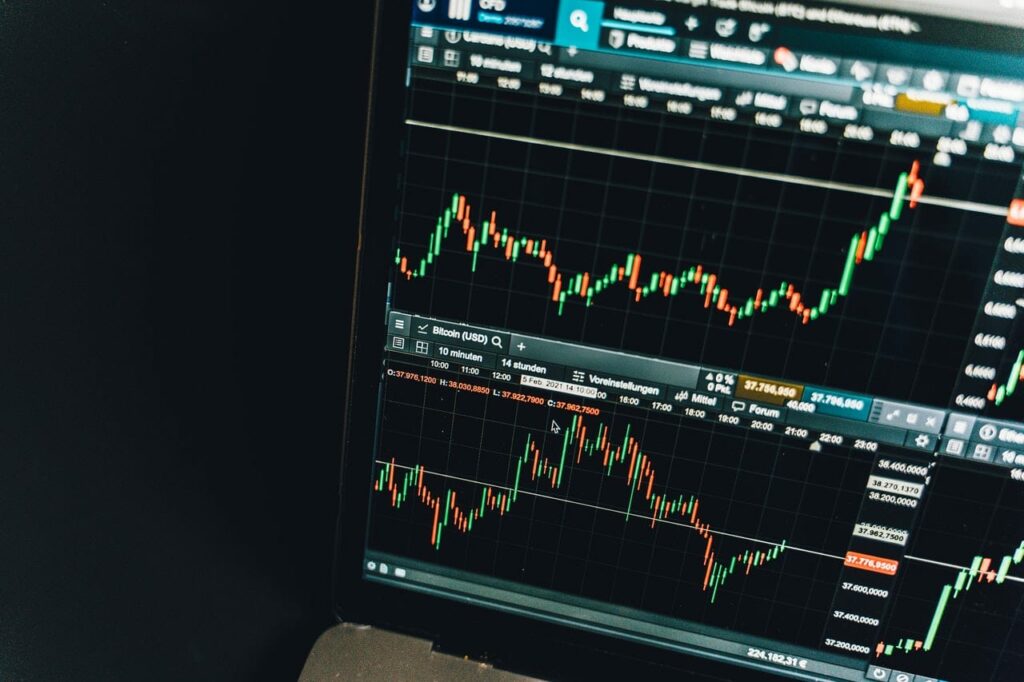
The forex market serves as a worldwide platform for currency trading, and Indonesia has established itself as an important player in this domain.
For Indonesian individuals seeking to engage in this global market amid their booming economy and growing interest in financial markets, it is crucial to comprehend the intricacies of Forex.
Forex Market Structure
The Forex market is open 24 hours a day, five days a week, and is decentralized (no central exchange).
The Indonesian market follows Western trading hours, allowing traders to participate in major currency markets worldwide. The structure is divided into three major sections:
 Spot Market: Immediate transactions involving currency exchange.
Forward contracts are contracts to buy or sell currencies at a later date.
Futures Market: Standardized contracts for currency exchange in the future.
Indonesian traders can access these markets through local and international brokers who follow the rules established by the Indonesian Commodity Futures Trading Regulatory Agency (BAPPEBTI).
While BAPPEBTI does not issue licenses or regulations to these international brokers, Indonesian traders must ensure that their broker is regulated and overseen by reputable entities such as FCA, ASIC, FSCA, and others.
Currency Pairs and Quotes
In Indonesia, popular currency pairs that serve as the basis for the foreign exchange market involve USD/IDR (US Dollar to Indonesian Rupiah), EUR/IDR (Euro to Indonesian Rupiah), and AUD/IDR (Australian Dollar to Indonesian Rupiah).
These pairings demonstrate the comparative worth of one currency against another.
Indonesian traders must clearly understand currency pairs and quotes to make informed trading decisions. In the foreign exchange market, the base currency is identified as the first within a pair (e.g., USD in USD/IDR), while the quote currency represents the second (e.g., IDR).
The quoted value signifies how much of the quoted currency is necessary for acquiring one unit of the base currency. Mastering these concepts allows Indonesian traders to analyze market trends effectively and confidently execute prudent trades.
Forex Trading in Indonesia

Over the last decade, FX in Indonesia has grown significantly, reflecting the country’s economic development and increased financial literacy. As the world’s largest archipelago, Indonesia offers unique opportunities and challenges for FX traders.
This section delves into the regulatory environment that governs FX trading, investigates popular trading platforms available to Indonesian traders, and investigates the cultural factors that influence trading practices in the country.
Regulatory Environment
The Indonesian Commodity Futures Trading Regulatory Agency (BAPPEBTI) regulates FX trading in Indonesia.
In contrast, brokers are regulated by international bodies such as the Financial Conduct Authority (FCA) and the Australian Securities and Investments Commission (ASIC). Key regulatory considerations include:
Fund Protection: Regulations have been implemented to protect traders’ funds and provide a transparent trading environment per international best practices.
Oversight by BAPPEBTI: BAPPEBTI supervises FX in Indonesia, ensuring that trading practices adhere to the country’s legal framework.
Indonesian brokers must obtain a license from international regulatory bodies such as the FCA or ASIC to comply with global standards.
Capital Requirements: According to international regulations, brokers must maintain a minimum capital to ensure financial stability.
Popular Trading Platforms
Indonesia’s trading landscape offers many platform choices to traders, be it within the country’s borders or across international boundaries.
Each of these platforms brings forth its own set of distinctive features, tools, and support services meticulously designed to cater to the specific preferences of traders. Noteworthy options include:
MetaTrader 4 (MT4): A popular trading platform globally and in Indonesia, MT4 provides advanced charting tools, automated trading, and a user-friendly interface.
MT5 (MetaTrader 5): MT5, an upgraded version of MT4, offers more timeframes, technical indicators, and enhanced functionality.
cTrader: Known for its user-friendly interface, cTrader is popular among Indonesian traders due to its advanced analytical tools and algorithmic trading capabilities.
Individual preferences, trading goals, and the specific needs of Indonesian traders all influence platform selection.
Cultural Considerations in Trading
Cultural factors have a significant impact on trading behaviours and attitudes in Indonesia. Important considerations include:
Community Engagement: Social connections and community engagement are essential in Indonesian culture. Traders frequently seek advice from their peers, family members, and social trading communities.
Religious Considerations: Islamic finance principles may influence trading practices in countries where Muslims predominate. To accommodate these beliefs, many brokers provide Shariah-compliant accounts.
Risk Aversion: Indonesian traders may be risk averse, reflecting cultural values that value stability and long-term planning.
Strategies for Beginners

Understanding various trading strategies is critical for beginners entering the Indonesian Forex market to achieve success. These strategies aid in the analysis of market trends, the making of informed decisions, and the effective management of risks.
This section will review three essential strategies for Indonesian beginners: Fundamental Analysis, Technical Analysis, and Risk Management Techniques.
Fundamental Analysis
Achieving an accurate valuation of Indonesia’s currency requires careful assessment of various economic indicators and geopolitical factors when implementing fundamental analysis. This endeavour aids in determining the true worth of the country’s monetary unit.
Global Events: Global economic crises or significant changes in commodity prices (for example, oil and palm oil) can impact the IDR’s value.
Economic indicators such as GDP growth rate, inflation, interest rates, and trade balance all impact the value of the Indonesian Rupiah (IDR).
Political Stability: Government policies, political stability, and international relations can all impact the Indonesian forex market.
Understanding these variables enables Indonesian traders to make well-informed decisions based on underlying economic conditions.
Technical Analysis
The primary objective of technical analysis is to anticipate forthcoming price oscillations by scrutinizing past price information and chart formations.
This strategy is widely adopted among Indonesian traders, particularly those focusing on short-term trading. Keep the following factors in mind:
Moving Averages, Relative Strength Index (RSI), and Bollinger Bands are common technical indicators used to analyze market trends.
Trend Analysis: Identifying upward, downward, or sideways trends in IDR currency pairs.
Price movements are predicted using chart patterns such as head and shoulders, double tops, and support and resistance levels.
Risk Management Techniques
Risk management is critical for capital preservation and consistent success in the foreign exchange market. Implementing risk management techniques for beginners in Indonesia includes the following:
Emotional Discipline: Developing emotional control and sticking to a trading plan aids in rational decision-making, which aligns with the Indonesian cultural value of maintaining harmony and balance.
Understanding and managing leverage is critical, particularly in Indonesia, where regulations may differ from those in other markets.
Diversification reduces risk exposure by spreading investments across different currency pairs.
Setting Stop-Loss and Take-Profit Orders: These orders aid in limiting losses and protecting profits at predetermined levels.
Getting Started with Forex Trading

Entering the world of foreign exchange markets in Indonesia can be a thrilling but complicated adventure. Understanding the process of selecting the right broker, opening a trading account, and developing a trading plan is critical for beginners.
Choosing the Right Broker
Choosing the right broker is an important first step in FX trading. Here’s a step-by-step guide to assisting Indonesian beginners in selecting the right broker:
Determine Your Requirements: Set your trading objectives, preferred currency pairs, and investment size.
Assess Trading Platforms: Examine the platforms available, such as MT4 or MT5, to ensure they are appropriate for your trading style.
Spreads and check fees: Contrast transaction fees, spreads, and other costs between brokers.
Consider Customer Service: Check that the broker helps in Bahasa Indonesia and has a responsive customer service team.
Account Types to Consider: Select an account corresponding to your investment size and risk tolerance, such as a standard, mini, or micro account.
Check for Shariah compliance: If necessary, look for brokers who offer Shariah-compliant Islamic accounts.
Investigate Available Brokers: Look for brokers licensed and regulated by FCA, ASIC, FSCA, and CySEC.
Setting Up a Trading Account
After you have decided on a broker, the next step is to open a trading account. Here’s a step-by-step instruction manual for Indonesian beginners:
Check out the Broker’s Website: Navigate to the chosen broker’s official website.
Fill out the Registration Form: Fill in the required personal information, such as your name, email address, and phone number.
Please submit the following identification documents: As Indonesian regulations require, present a valid ID and proof of residence.
Select an Account Type: Choose the best account type for your investment size and trading preferences.
Deposit Accounts: Follow the broker’s instructions to deposit funds using Indonesian payment methods like bank transfers or e-wallets.
Platform for Trading Download: Install the trading platform (for example, MetaTrader 4) on your computer or mobile device.
Login to Your Account: Log in to your trading account with the credentials provided and become acquainted with the platform’s interface.
Developing a Trading Plan
A well-structured trading plan is essential for foreign exchange market success. Here is a step-by-step guide to creating a trading plan in Indonesia for beginners:
Define Your Trading Objectives: Establish short-term and long-term goals, such as income generation or capital growth.
Determine Your Risk Tolerance: Determine your risk tolerance, considering your financial situation and investment objectives.
Select Trading Strategies: Choose strategies appropriate for your trading style, such as Fundamental or Technical Analysis.
Set Risk Management Rules: To effectively manage risks, define rules for setting stop-loss and take-profit orders.
Establish a Trading Schedule: Plan your trading hours according to the hours of the Forex market and the currency pairs you intend to trade.
Monitor and review your trading performance regularly, analyzing successes and failures and making necessary adjustments to your plan.
Seek Professional Advice: Consult with experienced traders or financial advisors in Indonesia to fine-tune your trading strategy.
Common Challenges and How to Overcome Them
Like trading in other markets, FX in Indonesia has its own challenges. These obstacles can be especially daunting for new traders but can be overcome.
Indonesian traders can successfully navigate these challenges by understanding the complexities of leverage and margin, learning to avoid common mistakes, and committing to continuous learning and improvement. These aspects are discussed in detail below.
Understanding Leverage and Margin
In the foreign exchange market, leverage and margin play crucial roles that greatly influence a trader’s achievements in the Indonesian market. Leverage empowers traders to oversee substantial positions with limited capital, leading to magnified profits or losses.
In Indonesia, brokers may offer varying leverage ratios, closely regulated by FCA, ASIC, FSCA, CySEC, and BAPPEBTI. On the other hand, the margin represents the funds required for initiating leveraged transactions while serving as security collateral for such trades.
Indonesian traders must note that the following problems and solutions apply to leverage and margin:
Regulatory Compliance: Understanding and adhering to local leverage regulations is critical. Traders should consult with their brokers and follow the guidelines established by the Indonesian government.
Margin calls happen when the margin level falls below the broker’s requirement. Indonesian traders can avoid margin calls by closely monitoring their positions and using stop-loss orders.
Excessive Leverage: Excessive leverage can result in substantial losses. Indonesian traders should exercise caution when using leverage, aligning it with their risk tolerance and trading strategy.
Avoiding Common Mistakes
FX in Indonesia is prone to common blunders that can jeopardize success. Here’s how to spot them and avoid them:
Trading based on emotions rather than analysis can result in poor decisions. Emotional discipline is essential for success in the Indonesian market.
Indonesian traders can improve their trading performance and reduce unnecessary risks by recognizing and avoiding these common mistakes.
Overtrading: Excessive trading can result in significant losses. Indonesian traders should create and stick to a clear trading strategy.
Failure to Manage Risk: Failure to manage risk can result in significant financial damage. It is critical to implement risk management strategies such as setting stop-loss orders.
Continuous Learning and Improvement
The Forex market is dynamic, and continuous learning and improvement are critical for long-term success, particularly in Indonesia’s rapidly growing market.
Utilize Advanced Trading Tools and Platforms: Advanced trading tools and platforms can provide valuable insights and automation options.
Mistakes are unavoidable, but learning from them and making necessary adjustments are essential for continuous improvement.
Invest in Education: Attending training, webinars, and workshops tailored to the Indonesian market can help you improve your trading skills.
Keep Up to Date: Indonesian traders should stay current on local and global economic news, regulations, and market trends affecting currency values.
Analyze Performance: Reviewing and analyzing trading performance regularly aids in identifying areas for improvement.
The Best Forex Brokers in Indonesia
In this article, we have listed the best brokers that offer foreign exchange markets to traders in Indonesia. We have further identified the brokers that offer additional services and solutions to Indonesian traders.
Best MetaTrader 4 / MT4 Forex Broker

Overall, IC Markets is the best MT4 Forex Broker in Indonesia. The MetaTrader platform from IC Markets is compatible with various third-party tools for market analysis and trade execution.
IC Markets is a good example of this type of service because it offers separate downloads for its MetaTrader enhancements.
Best MetaTrader 5 / MT5 Forex Broker

Overall, Pepperstone is the best MetaTrader 5 Forex Broker in Indonesia. Combining Pepperstone’s Razor account with MetaTrader 5 and the Active Trader software enables high-volume traders to benefit from the broker’s inexpensive pricing.
Pepperstone provides access to a vast array of tradable markets and offers a variety of social copy trade options.
Best Forex Broker for Beginners

Overall, CM Trading is the best Forex Broker for beginners in Indonesia. With CM Trading, Indonesians can access an extensive library of educational materials, user-friendly platforms, a free demo account, and devoted customer service.
Best Low Minimum Deposit Forex Broker

Overall, Axi is the best Low Minimum Deposit Forex Broker in Indonesia. When registering for an Axi account, Indonesians have no minimum deposit requirement. This enables Indonesian traders to begin trading CFDs on stocks with any amount they feel comfortable with.
Best ECN Forex Broker

Overall, BDSwiss is the best ECN Forex Broker in Indonesia. The trading conditions on BDSwiss are clear and straightforward. BDSwiss offers some of the best ECN trading execution to Indonesians. Moreover, BDSwiss serves more than 1.6 million customers in 186 countries.
Best Islamic / Swap-Free Forex Broker

Overall, OctaFX is the best Islamic / Swap-Free Forex Broker in Indonesia. Islamic accounts are compatible with all available trading solutions from OctaFX. OctaFX offers Indonesians a range of Halal instruments spread across markets and innovative trading platforms, including MetaTrader.
Best Forex Rebates Broker

Overall, JustMarkets is the Best Forex Rebates Broker in Indonesia. Indonesian traders can earn up to $10 per lot traded on Standard Cent, Standard, Pro, and Raw Spread Accounts with JustMarkets. Indonesians can earn up to 100% IB commission, ensuring lucrative rebates.
Best FX Trading App
Overall, Trading 212 is the best Forex trading app in Indonesia. Trading 212 is among the most popular trading software applications (over 14 million downloads on iOS and Android). Trading 212 is a straightforward and inexpensive method for Indonesians to purchase and sell Share CFDs.
Best IDR Trading Account Forex Broker
Overall, Exness is the best IDR Trading Account Forex Broker in Indonesia. Exness offers the lowest spreads for IDR-denominated accounts. In addition, Exness provides Indonesians with various local deposit and withdrawal options, making account funding significantly easier and faster.
Best Lowest Spread Forex Broker

Overall, XM is the best lowest spread Forex Broker in Indonesia. XM is among the best ECN and STP brokers with zero-pip spreads on most major CFD instruments, including EUR/USD.
Best Nasdaq 100 Forex Broker

Overall, Scope Markets is the best Nasdaq 100 Forex Broker in Indonesia. Scope Markets is a CMA-authorized company that offers MetaTrader 4 and MetaTrader 5.
Using Scope Markets, Indonesians could trade the Nasdaq 100 and a few other indexes without incurring commission fees.
Best Volatility 75 / VIX 75 Forex Broker
Overall, AvaTrade is Indonesia’s best Volatility 75 / VIX 75 Forex Broker. AvaTrade offers competitive fixed spreads on index CFDs, and Indonesian customers pay no deposit or withdrawal fees.
As a leading VIX 75 CFD provider, AvaTrade offers extensive market information and a vast selection of trading tools.
Best NDD Forex Broker

Overall, FXCM is the best NDD Forex Broker in Indonesia. FXCM’s ECN execution ensures orders are filled in less than 31 milliseconds. Furthermore, the FSCA imposes stringent regulations on brokers, and FXCM has won numerous awards for its superior client service.
Best STP Forex Broker

Overall, HFM is the best STP Forex Broker in Indonesia. HFM is a well-known STP and ECN broker that offers the optimal trading environment for CFD trading in Indonesia. HFM offers CFDs across all financial markets with zero-pip spreads on major instruments like EUR/USD.
Best Sign-up Bonus Forex Broker

Overall, Tickmill is the best sign-up bonus Forex broker in Indonesia. Tickmill offers a $30 bonus to newly registered Indonesian traders without requiring a deposit. To withdraw these funds, however, traders must deposit a minimum of 1.5 million IDR (approximately $100) into a Live MT4 account.